




Introduction to Japanese Katsu Bowls
Japanese Katsu Bowls are a delightful and comfort-filled dish that has captured the hearts (and stomachs) of food enthusiasts worldwide. But what exactly are these bowls, and why do they hold such a special place in both casual dining and fine cuisine?
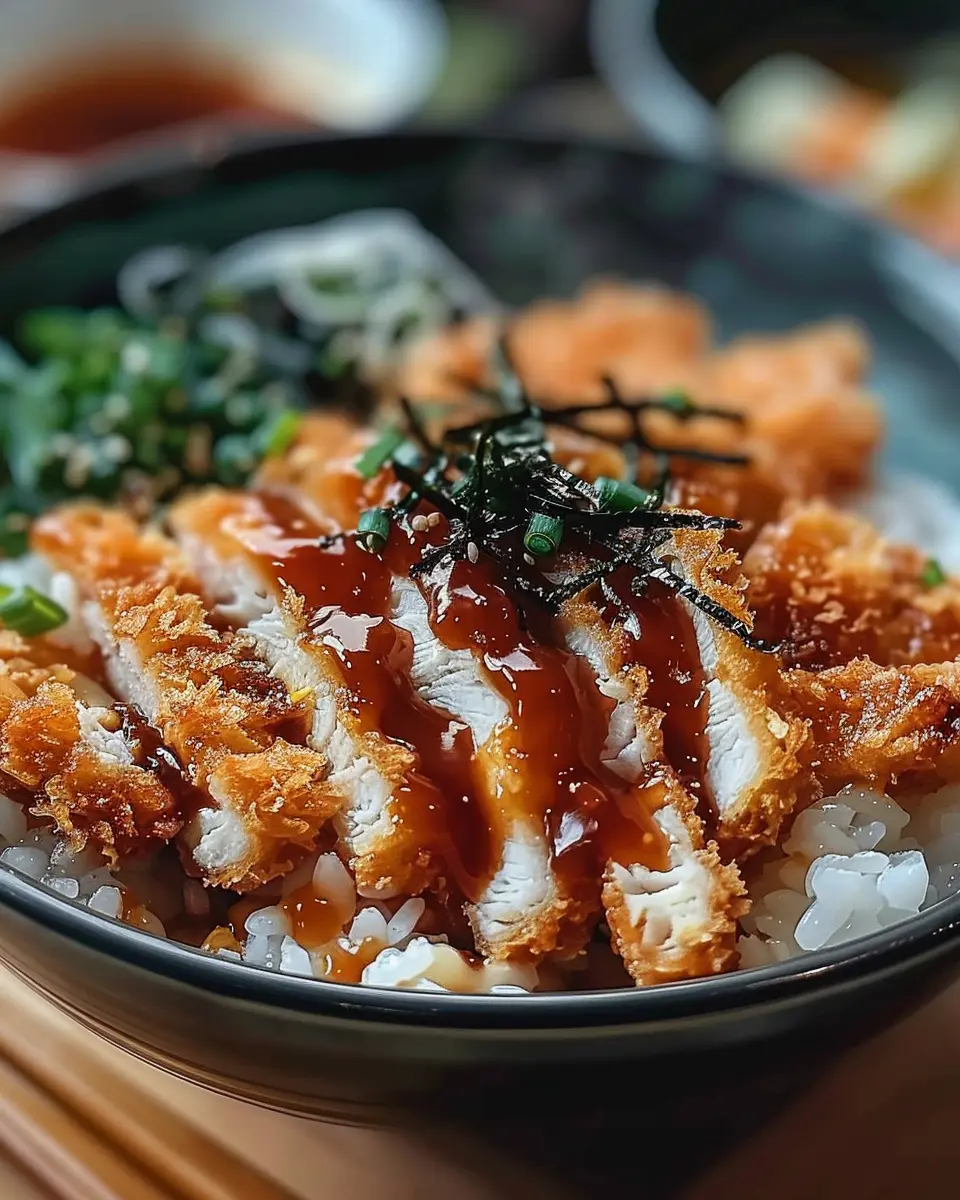
At their core, Japanese Katsu Bowls feature a crispy breaded protein, typically beef, served over a bed of fluffy rice and topped with savory sauces and fresh vegetables. This dish originated from the classic Japanese katsu—a deep-fried cutlet that is beloved in Japan for its crunchy exterior and tender inside. It’s no wonder that Katsu Bowls have skyrocketed in popularity, especially among young professionals looking for a quick yet satisfying meal option.
One reason for their widespread appeal is their versatility. You can easily customize a Katsu Bowl to fit your personal tastes by mixing and matching proteins, sauces, and toppings. Whether you prefer a classic beef katsu, want to try chicken ham, or even seek a vegetarian alternative, the possible combinations are endless! Additionally, this dish is visually stunning, making it a favorite on social media platforms like Instagram.
But it’s not just the flavor and customization that make these bowls a hit; there’s also an emotional connection associated with them. Many people enjoy reliving memories of dining at their favorite Japanese restaurants or family gatherings where they first discovered Katsu. The nostalgia factor, coupled with the dish’s delightful crunch and rich umami flavors, creates a comforting experience.
The growing trend of Japanese cuisine in the west, along with increased interest in cooking at home due to the recent pandemic, has fueled the demand for authentic recipes. Not only do Katsu Bowls offer convenience, but they’re also a way to indulge your culinary creativity.
So, if you’re looking to impress at your next dinner party or just satisfy your own cravings, diving into the world of Japanese Katsu Bowls is a delicious choice. To explore more about these delectable dishes, check out some resources like Chef’s Roll or Just One Cookbook for more insights and tips!
Ingredients for Japanese Katsu Bowls
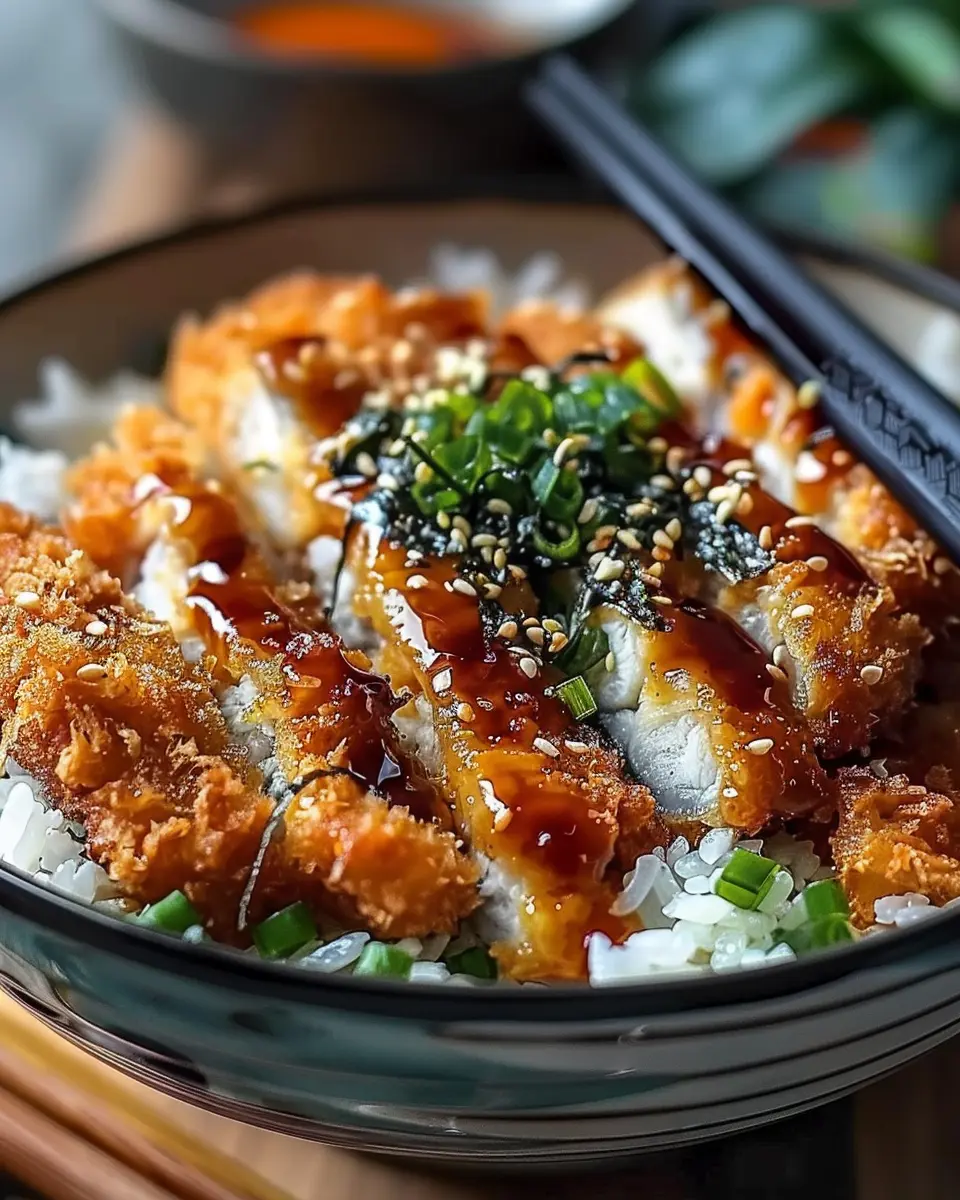
When crafting delightful Japanese Katsu Bowls, it’s all about selecting fresh and vibrant ingredients that come together to create a harmonious dish. Here’s a rundown of what you’ll need to whip up this remarkable meal:
-
Protein: Choose between breaded beef cutlets or chicken ham for a juicy, flavorful base. If you prefer a leaner option, turkey bacon offers a delicious and healthier alternative.
-
Rice: Short-grain Japanese rice is ideal for a soft, sticky texture. Prepare it according to package instructions, or try using a rice cooker for simplicity.
-
Tonkatsu Sauce: This sweet and tangy sauce is essential. You can find it in most Asian grocery stores or make your own by mixing ketchup, Worcestershire sauce, and a dash of soy sauce.
-
Vegetables: Freshly sliced cabbage or steamed broccoli adds a crunchy contrast and nutrient boost.
-
Garnishes: Don’t forget green onions and sesame seeds for that extra touch of flavor and presentation.
With these ingredients, you’re ready to dive into the wonderful world of Japanese Katsu Bowls! For expert tips on rice preparation, check out Serious Eats.
Step-by-Step Preparation of Japanese Katsu Bowls
Creating mouth-watering Japanese Katsu Bowls at home is not only rewarding but can also become a staple in your weekly meal prep. Let’s navigate through the steps to craft a delicious and visually stunning katsu bowl that’ll impress your friends and, more importantly, yourself!
Prepare your rice and katsu ingredients
Start your culinary journey by gathering the key ingredients that will transform your bowl into a delightful meal. For your Japanese Katsu Bowls, you’ll need:
- Protein: Choose between chicken or beef. Chicken breast is a popular choice for katsu due to its tenderness.
- Breading: You’ll need all-purpose flour, eggs, and panko breadcrumbs for that signature crunch.
- Rice: Short or medium-grain white rice works best, as it absorbs flavors wonderfully.
- Vegetables: Some vibrant veggies such as shredded cabbage, cucumber, or carrot for garnish.
- Sauce: Tonkatsu sauce or a simple homemade blend.
While your rice cooks, which usually takes about 20 minutes, prepare your protein. This is a great time to dive into a podcast or playlist! You can check out Eat This, Not That for healthy cooking tips while you prep.
Making the perfect katsu crust
The key to achieving that irresistible crunch in your Japanese Katsu Bowls lies in the breading process. Here’s how:
- Prepare the meat: If you’re using chicken breast, flatten it slightly with a meat mallet. This ensures even cooking.
- Breading station: Set up three shallow dishes. In the first, place flour seasoned with salt and pepper; in the second, beat a couple of eggs; in the third, put panko breadcrumbs. The panko will add a delightful crispiness.
- Breading technique: Dredge the meat in flour first, followed by the egg, then coat it generously with panko. Make sure to press the breadcrumbs onto the meat to ensure they stick.
A good tip—using your hands can help you evenly coat the meat without giving you a mess on your counter!
Cooking the chicken (or beef) katsu to golden perfection
To cook your katsu, you’ll want to focus on both the oil temperature and cooking time.
- Heat oil: In a large skillet, heat about 1/2 inch of oil over medium-high heat. Test if it’s ready by dropping a few breadcrumbs into the oil; if they sizzle, you’re good to go.
- Cook the katsu: Gently place the breaded meat in the hot oil. Cook for about 3-4 minutes on each side, or until it turns a beautiful golden brown. Use a meat thermometer to check for doneness—165°F for chicken and 145°F for beef.
- Drain excess oil: Once cooked, transfer the katsu to a paper towel-lined plate to absorb any excess oil. This keeps your dish light and crispy!
Preparing the sauce to complement your dish
A drizzle of sauce can elevate your Japanese Katsu Bowls like no other. You can opt for store-bought tonkatsu sauce, which is sweet and tangy or make your own!
Simple Tonkatsu Sauce Recipe:
- 4 tablespoons ketchup
- 2 tablespoons soy sauce
- 1 tablespoon Worcestershire sauce
- 1 teaspoon sugar
- A dash of garlic powder
Mix these ingredients in a small bowl until thoroughly combined. Voila! You have a delightful sauce to drizzle over your katsu.
Arranging your katsu bowl like a pro
Now comes the fun part—assembling your Japanese Katsu Bowls!
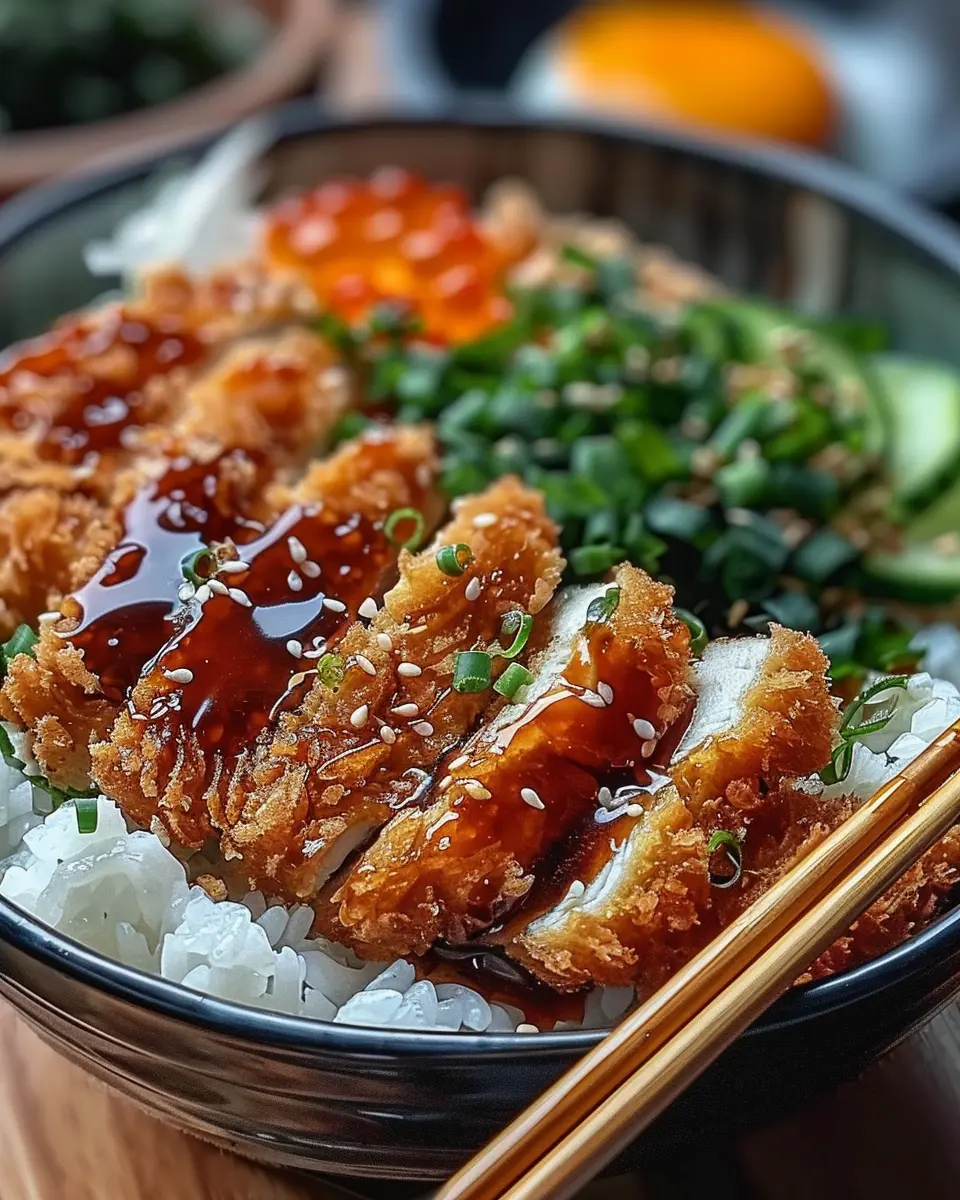
- Base layer: Start with a generous serving of rice at the bottom of your bowl.
- Add the katsu: Slice your golden katsu into strips and lay them over the rice.
- Incorporate veggies: Sprinkle freshly shredded cabbage and sliced cucumbers around the bowl for a pop of color.
- Drizzle the sauce: Finally, drizzle your homemade sauce over the katsu and garnish with sesame seeds if you have them.
Presentation matters; feel free to get creative with your toppings!
With everything in place, dig into your delicious Japanese Katsu Bowl—you’ve earned it! Enjoy the crunch and the vibrant flavors that come together in this satisfying dish.
Variations on Japanese Katsu Bowls
Chicken katsu with a twist
If you’re a fan of Japanese katsu bowls, why not switch things up a bit? Instead of the traditional chicken katsu, try using panko-crusted turkey cutlets. This leaner alternative packs all the crunch and flavor but with fewer calories. Coat your turkey cutlets in the same seasoned breadcrumbs and fry them until golden. Serve over rice, and you’ll still get that satisfying texture you love.
Vegetarian katsu options
For those who prefer to skip meat, there are delightful vegetarian katsu options that don’t compromise on taste. Eggplant or mushroom slices make fantastic katsu; just slice them thick, season, and bread the same way as you would do with chicken. You can also use tofu, marinated in soy sauce for extra flavor, then breaded and fried until crispy. Each bite brings a delightful crunch that can satisfy even the most dedicated meat lover.
Different sauces to try
While the classic tonkatsu sauce is delicious, it’s worth exploring other sauces to elevate your Japanese katsu bowls. Here are a few ideas:
- Sesame dressing: A nutty, rich dressing that adds a new dimension to your dish.
- Yuzu aioli: A citrusy twist that brightens the flavors—perfect for those who love a bit of zest.
- Spicy mayo: Mix mayonnaise with Sriracha for a creamy kick that complements the crispy katsu beautifully.
Experimenting with these variations will keep your katsu bowls exciting. Have you tried any unique toppings or sauces? Share your experiences in the comments, and happy cooking! If you want to dive deeper into katsu, check out this guide on katsu for more ideas!
Cooking Tips and Notes for Japanese Katsu Bowls
Achieving the Ideal Crispiness
To create delightfully crispy Japanese Katsu Bowls, mastering the breading technique is key. Here are a few tips to ensure your katsu reaches that perfect crunch:
- Use Panko Breadcrumbs: These Japanese-style breadcrumbs are lighter and flakier than regular ones, yielding a crunchier texture.
- Double Breading: For extra crispiness, dip your beef cutlets in flour, then egg, and coat them in panko. Repeat this process for an even thicker crust.
- Fry at the Right Temperature: A temperature of about 350°F (175°C) is ideal. If it’s too hot, the outside may burn before the inside cooks through, and if it’s too cool, your katsu will absorb too much oil.
Ingredient Substitutions for a Healthier Version
There are plenty of ways to make your Japanese Katsu Bowls healthier without sacrificing flavor.
- Lean Cuts: Opt for lean beef or even turkey bacon as a protein substitute, reducing saturated fat yet maintaining taste.
- Baking Instead of Frying: Baking your katsu instead of frying can significantly cut calories while still providing a satisfying texture.
- Whole Grain Options: Swap out white rice for brown rice or quinoa for a fiber boost.
Incorporating these tips will help you enjoy a delicious and healthier katsu bowl experience! For more insights on Asian cooking techniques, check out this link on Japanese cooking basics.
Serving Suggestions for Japanese Katsu Bowls
Suggested Side Dishes
When it comes to enhancing your Japanese Katsu Bowls, the right side dishes can elevate the meal experience. Consider pairing your katsu with:
- Steamed Rice: A classic choice, the fluffiness of steamed white rice balances the crunchiness of the katsu.
- Pickled Vegetables: Japanese pickles, like tsukemono, provide a delightful tang that cuts through the richness of the dish.
- Miso Soup: This traditional soup offers a warm, umami-packed counterpart to your katsu bowl and is an easily homemade option.
- Salad: A simple green salad with ginger dressing adds freshness and is a colorful addition to your plate.
Presentation Tips for a Restaurant-Style Look
To give your Japanese Katsu Bowls a professional flair, focus on both color and structure:
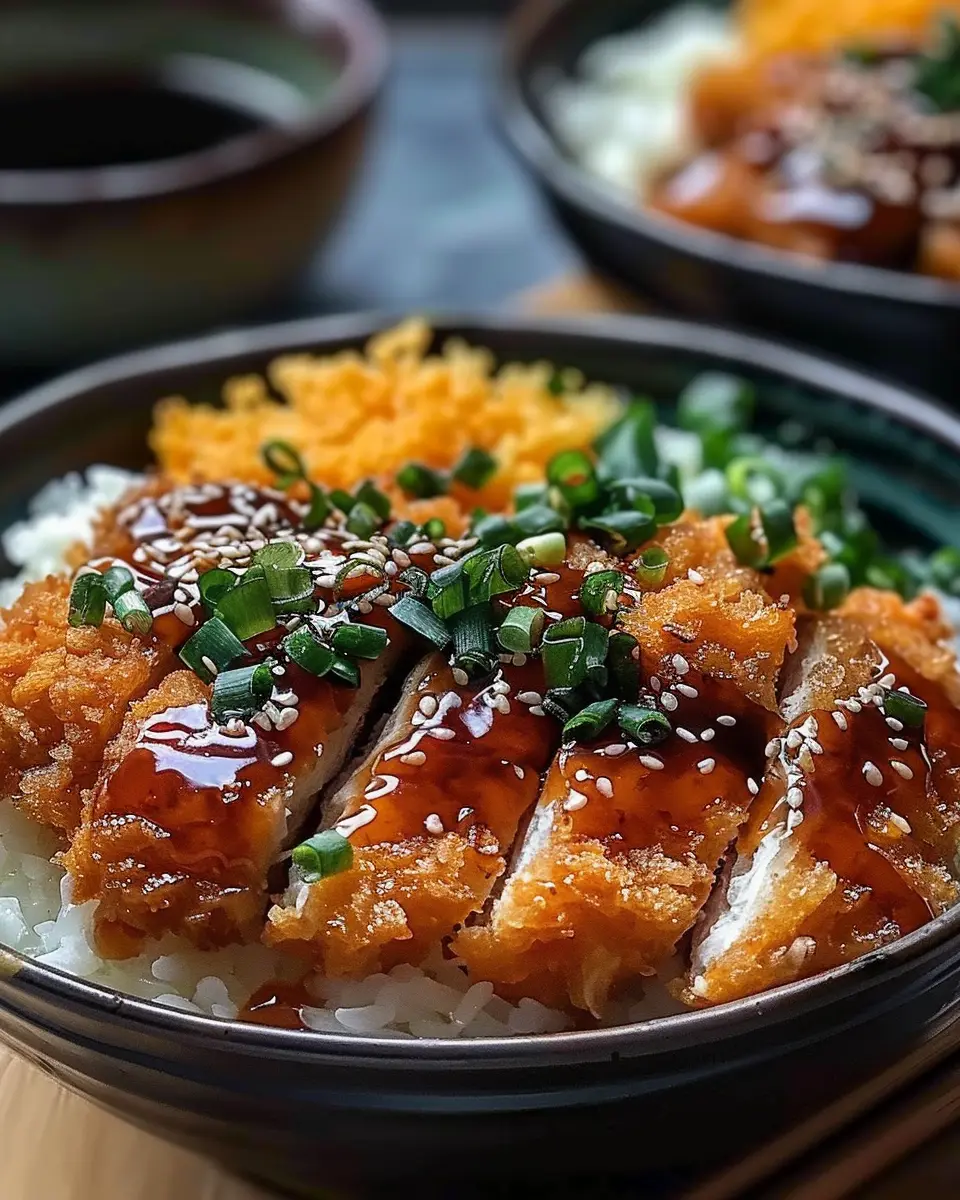
- Layer the Ingredients: Place the rice at the base, followed by your katsu, and sprinkle with sesame seeds for a touch of elegance.
- Use a Deep Bowl: A bowl with depth not only holds the ingredients well but allows for visually appealing stacking.
- Garnish Wisely: Add fresh herbs like parsley or green onions for color. A wedge of lemon can also brighten the dish.
- Mind the Spacing: Avoid overcrowding the bowl. Leaving some space makes your meal look more artisanal and inviting.
Creating a cohesive dining experience can turn a simple meal into something memorable. For more tips on Japanese cuisine, check out resources like Just One Cookbook!
Time Breakdown for Japanese Katsu Bowls
When diving into the delightful world of Japanese Katsu Bowls, knowing how long each step takes can significantly enhance your cooking experience. Here’s a quick breakdown to plan your meal perfectly.
Preparation Time
Setting up your ingredients and equipment will take about 15 minutes. During this time, you can gather everything you need, from the beef cutlets to the necessary spices. To save time, try prepping extra veggies while you’re at it!
Cooking Time
The actual cooking process will take around 25 minutes, where you’ll be frying, simmering, and possibly multitasking between the beef and rice.
Total Time
All in all, you’re looking at about 40 minutes from start to finish. This makes Japanese Katsu Bowls a fantastic option for a fulfilling weeknight dinner.
Now you’re ready to embark on this tasty culinary adventure! For tips on selecting the best cuts of beef, check out resources like Bon Appétit or Serious Eats.
Nutritional Facts for Japanese Katsu Bowls
When crafting a delicious Japanese Katsu Bowl, it’s essential to consider its nutritional content. Knowing what you’re eating helps you appreciate the flavors even more.
Calories
A serving of Japanese Katsu Bowls typically contains around 500-700 calories, depending on the ingredients and portion sizes. This includes the crispy breaded beef, rice, and any accompanying vegetables.
Protein
You’ll love that these bowls are high in protein, thanks to the beef and any optional toppings like chicken ham or turkey bacon. Expect about 25-35 grams of protein per serving, making it a great choice for muscle recovery and energy.
Sodium
While these bowls are tasty, they can be a bit high in sodium due to sauces like tonkatsu. It’s wise to keep an eye on your sodium intake, which may range from 800-1200 mg per serving. Remember to balance it out with plenty of water and fresh veggies!
For more insights on maintaining a balanced diet, check out resources from the American Heart Association when exploring different meals. Enjoy your cooking!
FAQs about Japanese Katsu Bowls
Can I make katsu in advance?
Absolutely! Preparing your Japanese katsu bowls in advance can save you time during busy weeknights. You can bread and fry the beef cutlets, then reheat them in the oven before serving. This way, they maintain their crispy texture. Just make sure to keep the cooked katsu in an airtight container in the refrigerator if you are planning to eat it within a few days.
How do I store leftover katsu?
Storing leftover katsu is straightforward! Here are some easy steps:
- Cool the katsu: Allow it to cool to room temperature before storing.
- Wrap tightly: Use plastic wrap or aluminum foil to cover the katsu. This helps maintain moisture and keeps it fresh.
- Refrigerate: Place it in an airtight container and store it in the refrigerator for up to 3 days. For longer storage, you can freeze the katsu, but it’s best enjoyed fresh.
When reheating, a quick visit to the oven will help retain that crispy goodness.
What is tonkatsu sauce and how can I make it?
Tonkatsu sauce is a delicious, thick sauce typically served with katsu. It’s a sweet, savory blend that elevates the flavors of your Japanese katsu bowls. If you want to make it yourself, it’s simple! You’ll need:
- 1/2 cup ketchup
- 1/4 cup Worcestershire sauce
- 2 tablespoons soy sauce
- 1 tablespoon sugar
- 1 teaspoon Dijon mustard
Mix all these ingredients in a bowl until well combined. Feel free to adjust the sweetness or tanginess to your taste. For more information about tonkatsu sauce, check out resources like Umami Insider.
Making katsu bowls is an enjoyable and rewarding cooking adventure. By preparing in advance, storing properly, and mastering the sauce, you’ll have delightful meals at your fingertips!
Conclusion on Japanese Katsu Bowls
Japanese Katsu Bowls are not just a meal; they are an experience. With their golden, crispy coating and tender meat, these flavorful bowls bring comfort to any dining table. Making your own version at home allows you to customize ingredients to your liking—think turkey bacon for a healthy twist or chicken ham for added flavor. As you savor each bite, think about the delightful blend of textures and flavors. Don’t hesitate to experiment with different sauces or toppings to nail that perfect blend. Dive into this culinary adventure, and share your creations with friends! For more inspiration, consider checking out Japanese Cooking: A Simple Art or similar resources.
PrintJapanese Katsu Bowls: Easy Comfort Food for Home Cooks
Discover the delicious and comforting world of Japanese Katsu Bowls, a satisfying dish that’s simple enough for home cooks.
- Prep Time: 15 minutes
- Cook Time: 20 minutes
- Total Time: 35 minutes
- Yield: 2 servings
- Category: main dish
- Method: pan-frying
- Cuisine: Japanese
- Diet: nut-free
Ingredients
- 2 cups cooked rice
- 2 pork cutlets
- 1 cup panko breadcrumbs
- 1 egg
- 1/2 cup all-purpose flour
- 1/4 cup tonkatsu sauce
- 2 tablespoons vegetable oil
- 1 cucumber, sliced
- 4 radishes, sliced
Instructions
- Prepare rice according to package instructions and set aside.
- Pound pork cutlets to an even thickness.
- Dredge each cutlet in flour, dip in egg, and coat with panko breadcrumbs.
- Heat vegetable oil in a pan over medium heat and fry the cutlets until golden brown.
- Remove from heat and cut into strips.
- Serve on a plate over rice, topped with tonkatsu sauce, sliced cucumber, and radishes.
Notes
- For a vegetarian option, substitute pork with eggplant or tofu.
- Adjust the tonkatsu sauce to taste, adding more for extra flavor.
Nutrition
- Serving Size: 1 bowl
- Calories: 600
- Sugar: 2g
- Sodium: 500mg
- Fat: 30g
- Saturated Fat: 5g
- Unsaturated Fat: 20g
- Trans Fat: 0g
- Carbohydrates: 70g
- Fiber: 3g
- Protein: 30g
- Cholesterol: 150mg